
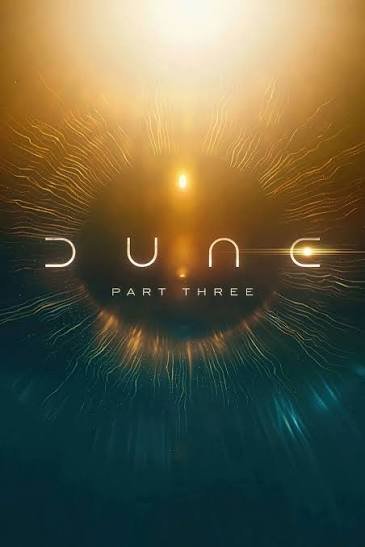
Dune: Part Three (2026) – Release Date, Cast, Story and Everything to Know
Dune: Part Three is one of the most anticipated science-fiction films of 2026. Directed by Denis Villeneuve, the upcoming instalment continues the epic story of Paul Atreides, exploring the consequences of his rise to power and the challenges that threaten his empire.
Starring Timothée Chalamet, Zendaya, Florence Pugh, Jason Momoa and Robert Pattinson, the film returns audiences to the dangerous political world of Arrakis. Following the events of Dune (2021) and Dune: Part Two (2024), the next chapter is expected to take the franchise in a darker direction, focusing on leadership, betrayal, destiny and the price of absolute power.
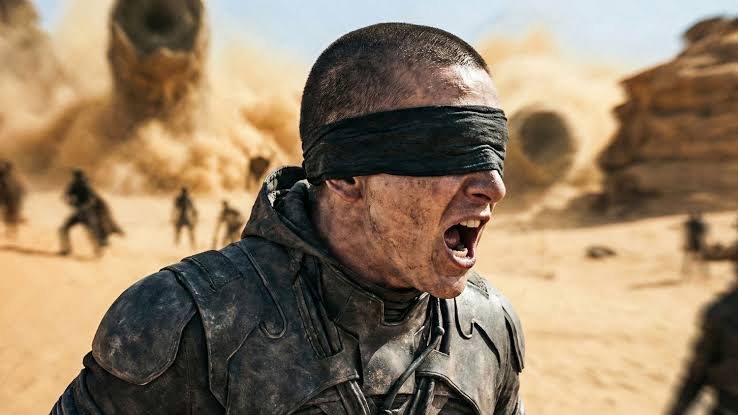
Inspired by Frank Herbert's science-fiction novel Dune Messiah, the film continues Paul's journey beyond his victory over his enemies. His transformation into an emperor has changed the universe, but maintaining control may prove more difficult than winning the throne.
With a returning ensemble, new characters and an ambitious creative team, Dune: Part Three aims to bring Villeneuve's cinematic interpretation of the Atreides saga to a dramatic conclusion.
Dune: Part Three – Movie Overview
| Attribute | Details |
|---|---|
| Movie Title | Dune: Part Three |
| Release Year | 2026 |
| Genre | Science Fiction, Adventure, Action, Drama |
| Director | Denis Villeneuve |
| Writers | Denis Villeneuve, Brian K. Vaughan |
| Based On | Dune Messiah by Frank Herbert |
| Lead Actor | Timothée Chalamet |
| Lead Actress | Zendaya |
| Production Company | Legendary Pictures |
| Distributor | Warner Bros. Pictures |
| Scheduled Release Date | 18 December 2026 in India |
| Music Composer | Hans Zimmer |
| Cinematography | Linus Sandgren |
| Language | English |
| Film Format | Theatrical and IMAX |
What Is Dune: Part Three About?
The story of Dune: Part Three moves beyond Paul Atreides' rise to power and examines the consequences of his rule. After defeating his enemies and becoming emperor, Paul finds himself in a position where political authority comes with enormous personal and moral responsibilities.
His victory has reshaped the balance of power across the universe. However, the religious movement built around his name and the expectations of his followers create challenges that cannot easily be controlled. The future he once tried to understand through his visions is becoming increasingly difficult to escape.
As emperor, Paul must navigate political conspiracies, shifting alliances and threats from those who wish to undermine his authority. His enemies may no longer rely solely on military confrontation; manipulation and betrayal could prove equally dangerous.
His relationship with Chani also remains an important emotional element of the story. Their bond faces pressure from Paul's responsibilities, the expectations surrounding his position and the consequences of the decisions he has made.
Princess Irulan's role within the imperial household adds another dimension to the political conflict, while the return of familiar characters and the introduction of new figures expand the world of Arrakis.
Inspired by Dune Messiah, the film is expected to explore the darker side of leadership and question whether even the most powerful individual can control the future he has helped create.
Cast and Characters
The film features a combination of returning actors and new additions, bringing together characters whose relationships will shape the next phase of the Dune saga.
Main Cast
- Timothée Chalamet as Paul Atreides: The central character of the franchise, Paul has become emperor after his victory on Arrakis. His growing power brings difficult choices and consequences that threaten his personal life and the future of his empire.
- Zendaya as Chani: A skilled Fremen warrior and Paul's partner, Chani remains an important part of his emotional journey. Her relationship with Paul faces challenges as his imperial responsibilities grow.
- Florence Pugh as Princess Irulan Corrino: A member of the former imperial dynasty and Paul's wife, Irulan occupies a complicated position within the political system.
- Jason Momoa as Duncan Idaho: A familiar figure from the Atreides story whose return adds another significant dimension to Paul's world.
- Rebecca Ferguson as Lady Jessica: Paul's mother and a member of the Bene Gesserit, Jessica has played a major role in shaping the Atreides family's destiny.
- Robert Pattinson as Scytale: A mysterious character whose involvement introduces a dangerous new element into the struggle surrounding Paul.
- Anya Taylor-Joy as Alia Atreides: Paul's sister, whose extraordinary background and connection to the Atreides family make her an important character in the continuing saga.
- Javier Bardem as Stilgar: A respected Fremen leader whose loyalty, beliefs and relationship with Paul are closely tied to the transformation of Arrakis.
- Charlotte Rampling as Reverend Mother Mohiam: A senior Bene Gesserit figure associated with the organisation's long-term political and genetic ambitions.
- Isaach de Bankolé as Farok: A character connected to the wider conflict surrounding the imperial order.
- Nakoa-Wolf Momoa as Leto II: A new addition to the cast, playing a character connected to Paul's family and future.
- Ida Brooke as Ghanima: Another new cast member, portraying a character who expands the story of the Atreides family.
The combination of established characters and new faces creates opportunities to explore the political rivalries, family relationships and competing ambitions that define the Dune universe.
Denis Villeneuve Returns as Director
Denis Villeneuve returns to direct Dune: Part Three, continuing the cinematic approach that defined the first two films. His adaptation of Frank Herbert's universe has become known for its enormous landscapes, detailed world-building, atmospheric sound design and exploration of complex political themes.
The director has consistently presented Arrakis as more than a desert planet. It is a world where natural resources, cultural traditions, religious beliefs and political ambitions influence the fate of entire civilisations.
For the third instalment, Villeneuve is working with screenwriter Brian K. Vaughan on a story inspired by Dune Messiah. The creative direction allows the film to move beyond the familiar journey of a hero seeking victory and examine the consequences of becoming a powerful political and religious symbol.
Hans Zimmer returns as composer, while cinematographer Linus Sandgren joins the production. Their work is expected to contribute to the film's distinctive visual and musical identity.
From Dune: Part Two to Dune: Part Three
The conclusion of Dune: Part Two marked a turning point in Paul's journey. After aligning himself with the Fremen and defeating House Harkonnen, he challenged the existing imperial order and claimed a position of extraordinary authority.
However, his victory also established the foundations of a much larger conflict. Paul's followers view him as a figure capable of changing their destiny, while his political opponents have reasons to fear the growing influence of his empire.
Dune: Part Three continues from this moment, shifting the focus from the struggle to obtain power towards the challenges of maintaining it.
Paul must now confront the consequences of his choices, including the impact of his decisions on the people closest to him. The story also raises questions about whether his extraordinary visions can genuinely help him avoid disaster or simply reveal the dangers approaching his empire.
This change in direction gives the third film an opportunity to present a more psychologically complex portrait of Paul Atreides.
Why Is Dune: Part Three Based on Dune Messiah?
Frank Herbert's Dune Messiah, published in 1969, continues the story of Paul Atreides after the events of the original novel.
Rather than repeating the first book's themes of survival and political transformation, the sequel examines the difficulties of ruling an empire built around a charismatic leader. It explores how religion, political institutions and public expectations can turn an individual into a symbol whose influence extends far beyond his personal intentions.
These ideas provide a natural foundation for the third film. Paul has already changed the balance of power across the universe, but his position as emperor creates new responsibilities and exposes him to threats that cannot be resolved through military victory alone.
The adaptation is expected to retain the novel's central themes while translating its characters and events into a cinematic narrative.
For viewers unfamiliar with the source material, the film offers an opportunity to discover what happens when a revolutionary figure becomes the centre of the very system he once challenged.
Visual Effects, Music and Cinematic Scale
The Dune franchise has established a distinctive visual identity through its combination of practical filmmaking, elaborate production design and computer-generated imagery.
Arrakis remains central to this identity, with its vast sand dunes, extreme environment and enormous sandworms representing the scale and danger of the fictional universe.
For Dune: Part Three, the production continues to explore the world established by the previous films while expanding the scope of the story. Filming in desert locations, including Abu Dhabi's Liwa Desert, has helped recreate the landscape associated with Arrakis.
Hans Zimmer's music is another defining element of the franchise. His compositions combine powerful rhythms, atmospheric sounds and unusual vocal textures to convey the scale of the political conflicts and the intensity of Paul's personal journey.
The film's planned IMAX release also reflects the importance of the theatrical experience. Its landscapes, sound design and large-scale sequences are designed to benefit from the immersive presentation of premium cinema formats.
Dune: Part Three Release Date
Dune: Part Three is scheduled to arrive in Indian cinemas on 18 December 2026, with its international theatrical rollout beginning on 16 December 2026.
Warner Bros. Pictures is handling distribution, while Legendary Pictures is producing the film. The release is planned to include IMAX screenings, giving audiences the opportunity to experience the film on large-format screens.
Viewers should check official cinema listings closer to the release date for confirmed showtimes, regional language versions and ticket availability, as theatrical schedules can change.
What Makes Dune: Part Three Worth Watching?
Several elements make the third instalment an important release for science-fiction fans.
1. The Next Chapter of Paul Atreides
Paul's journey has progressed from a young nobleman seeking justice for his family to an emperor whose decisions affect the entire universe. The new film explores the personal and political consequences of that transformation.
2. A More Complex Political Story
The narrative moves beyond the straightforward struggle for control of Arrakis. Conspiracies, shifting loyalties and internal threats are expected to play important roles in the conflict.
3. A Strong Returning Cast
Timothée Chalamet, Zendaya, Florence Pugh, Rebecca Ferguson and other returning performers bring established character relationships into a new phase of the story.
4. New Characters and Fresh Conflicts
Robert Pattinson's Scytale and the introduction of additional members of the Atreides family expand the possibilities for new rivalries and unexpected developments.
5. Denis Villeneuve's Cinematic Vision
Villeneuve's approach to science fiction combines large-scale spectacle with thoughtful storytelling. His return gives the film continuity with the visual style and thematic ambitions of the earlier instalments.
Final Thoughts
Dune: Part Three has the potential to deliver a different kind of science-fiction epic. While the earlier films explored survival, revenge, destiny and revolution, the third chapter turns towards the consequences of victory and the dangers of absolute power.
Paul Atreides may have achieved the position he once seemed destined to occupy, but ruling an empire presents challenges that cannot be overcome through strength or prophetic visions alone. His relationships, the loyalty of his followers and the stability of the imperial system all face uncertainty.
With Denis Villeneuve returning as director, Timothée Chalamet and Zendaya leading the cast, and Frank Herbert's Dune Messiah providing the literary foundation, the film is positioned to take the franchise into a darker and more reflective phase.
For fans of the series, the central question is no longer whether Paul can claim power, but whether he can live with the consequences of possessing it.
Dune: Part Three is scheduled to release in Indian cinemas on 18 December 2026.
Official References: